AI, if everything goes the way it appears to be going, will create enormous problems for workers. Feeding ourselves could become increasingly complicated as more and more people lose their jobs to technological innovation.
Right now, only about three percent of what we eat in New Hampshire comes from New Hampshire. Somewhere around ten percent comes from New England. The rest comes through a chaotic national and global logistics network dependent on expensive and critical inputs: electricity, oil, fertilizer, pesticides, commodity prices, labor, real estate and, looming over all of it, corporate economics and profit margins.
Our food system is not nearly as secure as we imagine.
We have roughly a one-month supply of food in our supermarkets. That is something we can generally count on.
We can also count on much of that food being highly processed, loaded with sugar and unhealthy fats, and contributing to obesity, insulin resistance, and chronic disease. Much of the food flowing through this precarious logistics network is making us sick and those illnesses are imposing enormous costs on our healthcare system and our economy.
We can change this.
We can change the food system through changes to SNAP. In doing so, we can improve our health, reduce healthcare costs, strengthen our food security, support American farmers, and begin to address an environmental problem we have neglected for far too long.
The fact that all of these things are connected makes SNAP one of the most powerful social programs we have for preparing America for the future.
For this to happen, however, we need to use a little of the same magic the food industry has used for decades to get us to consume more of the foods that make us unhealthy.
We need some salt.
The metaphorical salt is reforming SNAP.
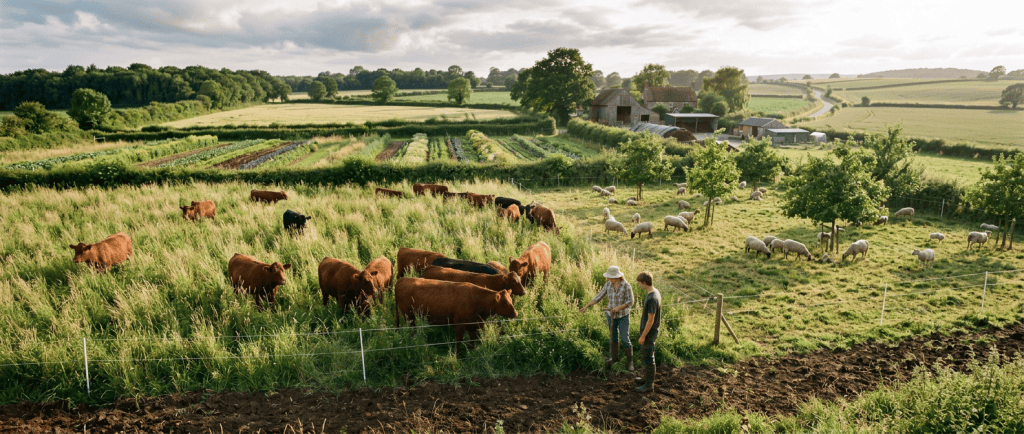
SNAP should prioritize staple foods and healthy produce. No trans fats. No sugary drinks. No junk food. We should encourage food that actually nourishes people, preferably produced through regenerative agricultural practices and, whenever possible, grown close to home.
Obviously, there would be some complaints about those restrictions, but we don’t have a right to get sick on taxpayers’ dollars. And that is exactly what is happening today.
But we also need some sugar.
The sugar is investment.
We should redirect and combine resources from other programs where appropriate and create a much larger healthy-food safety net, one capable of reaching far more Americans if and when large-scale job losses or economic shocks arrive.
Imagine what could happen.
A future in which AI eliminates millions of jobs does not necessarily have to become a future of hunger and desperation. We could use that very disruption to build a healthier population, lower per-capita healthcare costs, stronger local food systems, more resilient agriculture, and better stewardship of our environment.
We could turn a likely future disaster into something else entirely: a beautiful new future for our people.

